William & Mary · FAIS Lab
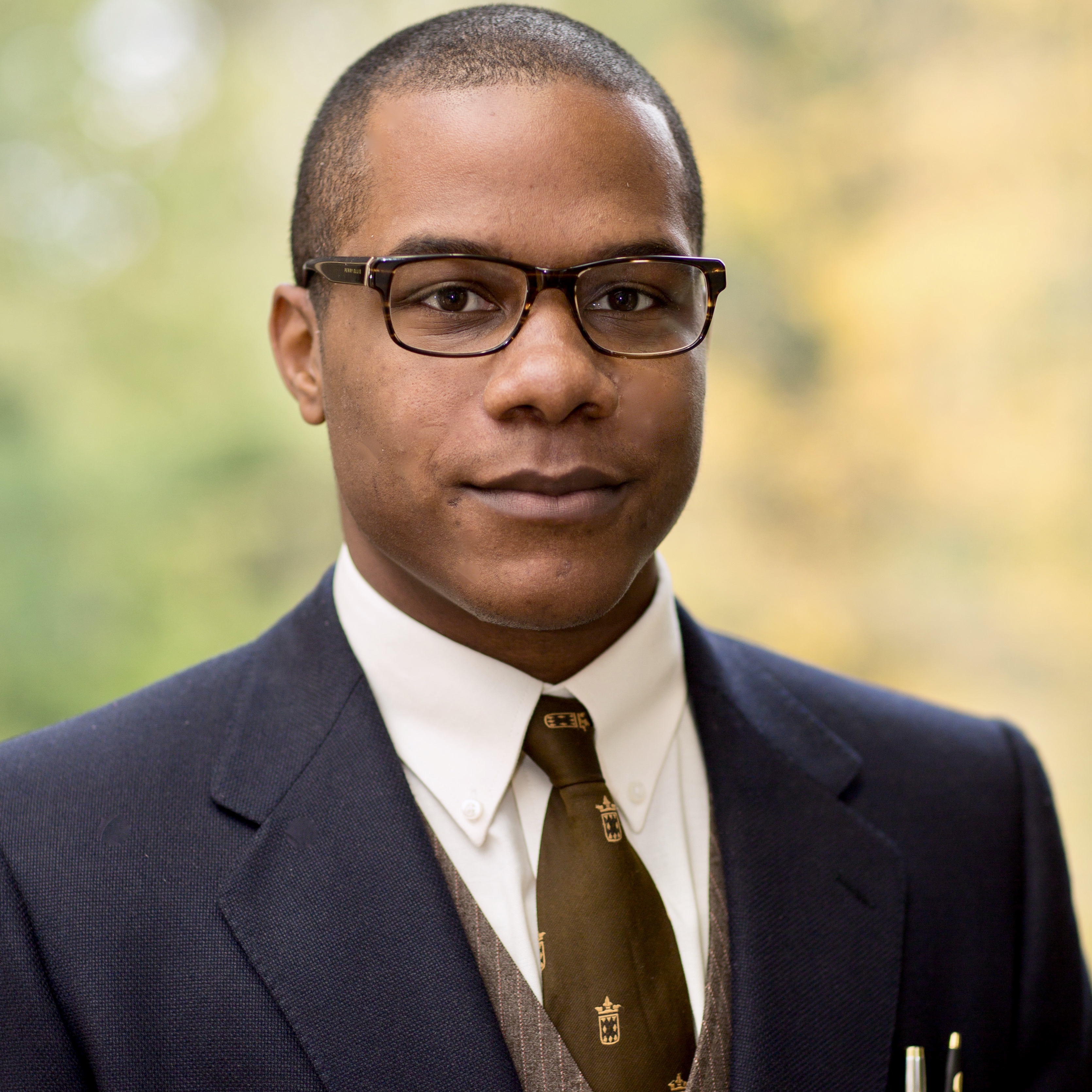
Trenton W. Ford
Assistant Professor of Data Science. I study how AI reshapes society — and advise the teams building it.
I direct the Ford AI & Society (FAIS) Lab at William & Mary, working on computational disinformation, network science, and human–digital twins. I lead two DARPA initiatives on human–AI teaming and large-language-model evaluation, and I advise organizations putting AI to work responsibly.
Focus
Research areas
- Computational disinformation
- Detecting and measuring coordinated influence and its harms.
- Network science
- How structure shapes the spread of information and behavior.
- Human–digital twins
- Modeling people to strengthen human–AI teaming.
- LLM evaluation
- Assessing large language models beyond the benchmark.
DAVIS: Planning Agent with Knowledge Graph-Powered Inner Monologue
Minh Pham-Dinh, Munira Syed, Michael Yankoski, Trenton W Ford
I Contain Multitudes: A Typology of Digital Doppelgängers
William D'Alessandro, Trenton W Ford, Michael Yankoski
VirTLab: Augmented Intelligence for Modeling and Evaluating Human-AI Teaming Through Agent Interactions
Svitlana Volkova, Daniel Nguyen, Louis Penafiel, Hsien-Te Kao, Myke Cohen, Grant Engberson, et al.
VIRT-LAB: An AI-Powered System for Flexible, Customizable, and Large-scale Team Simulations
Mohammed Almutairi, Charles Chiang, Haoze Guo, Matthew Belcher, Nandini Banerjee, Maria Milkowski, et al.